


Twin Cities basement waterproofing guides.
Start with your question: where the water comes from, what a repair involves, or what it may cost.
Basement guides
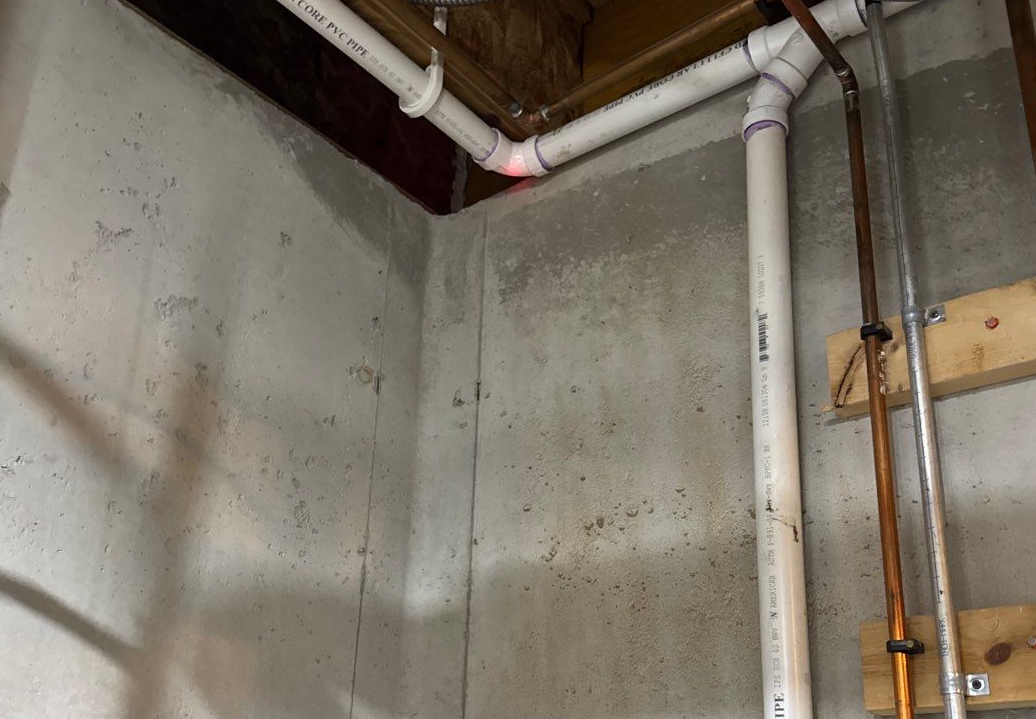
Why Twin Cities Basements Can Leak After a Drought
Drought can increase the risk of basement leaks when rain returns by opening gaps in shrink-prone soil and, at some homes, contributing to foundation movement. Rain can then reach vulnerable parts of the basement more readily. Whether that becomes a leak depends on the soil, the water’s route and the condition of the house and its drainage.
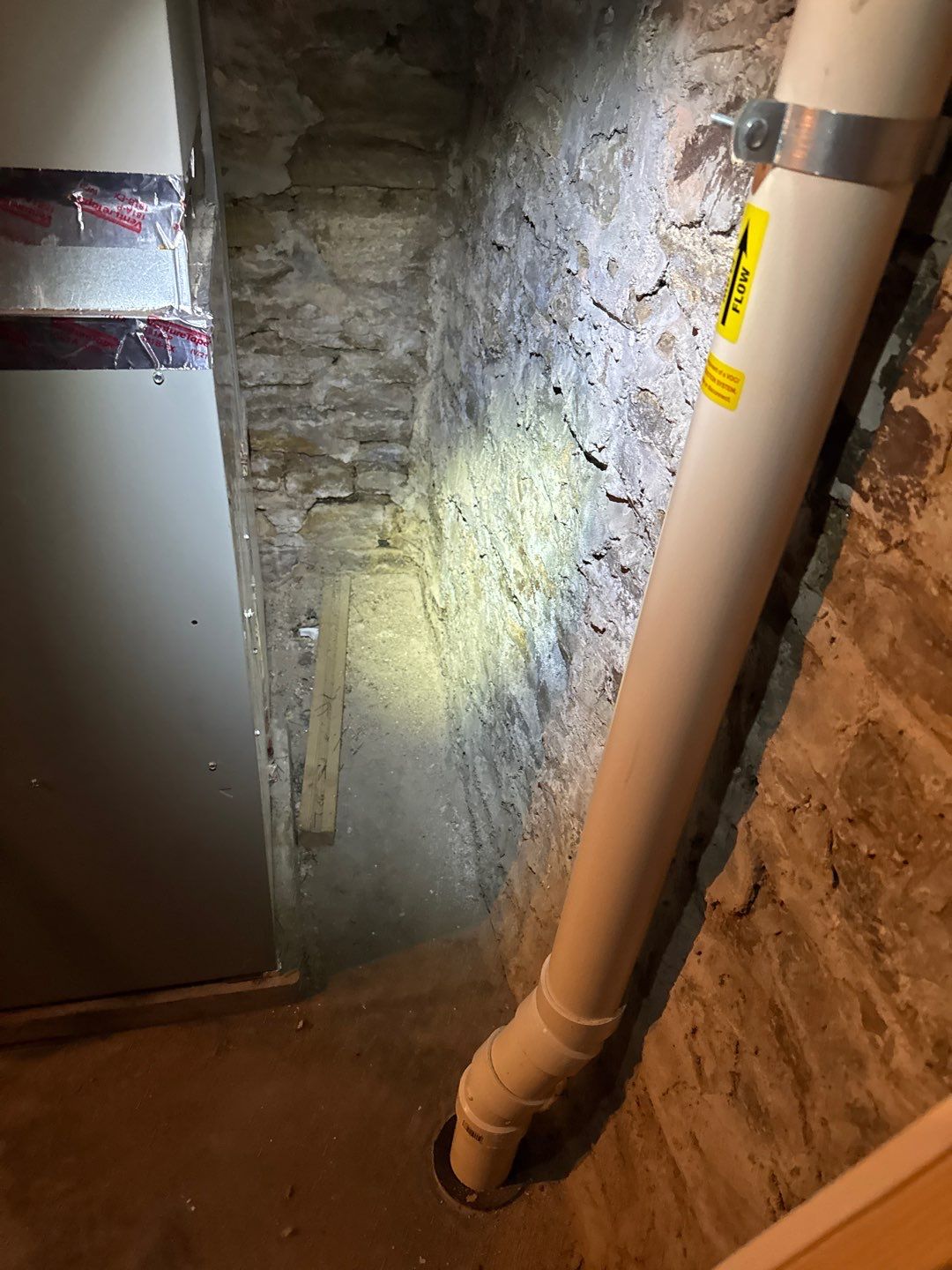
Why Twin Cities Foundations Look So Different
Twin Cities foundations include stone, concrete block and poured concrete from overlapping construction eras. Local quarries, manufacturing and housing growth shaped those choices. The material helps explain water movement and repair options, but the individual house’s condition determines the appropriate work.

Does Your Basement Actually Need Waterproofing?
Local causes, repair options and the first questions a useful visit should answer.
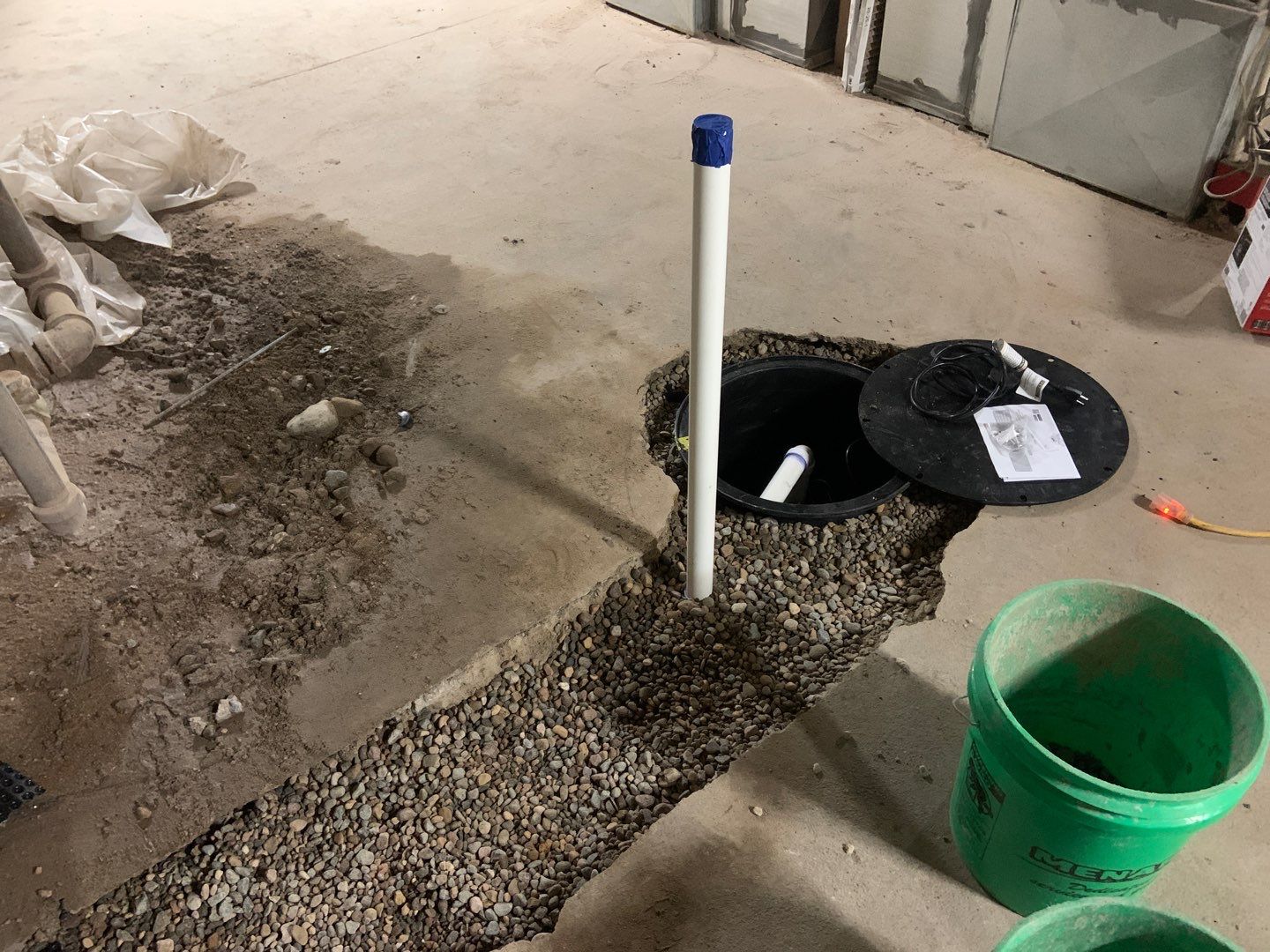
What Basement Waterproofing Really Costs
The measured scope and equipment behind Minnesota planning ranges.
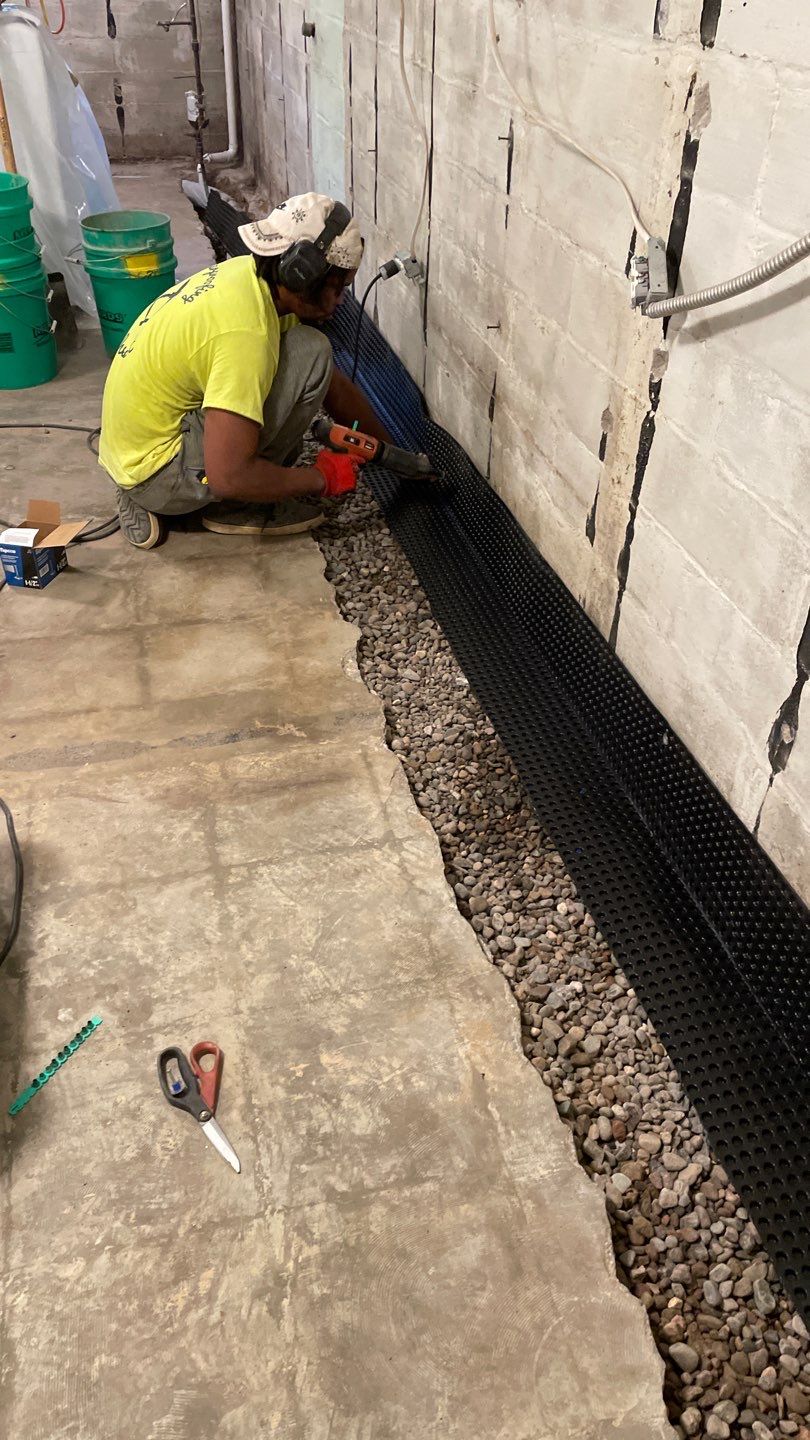
Interior or Exterior Drain Tile? Start Here.
How access, excavation and the water path change the decision.
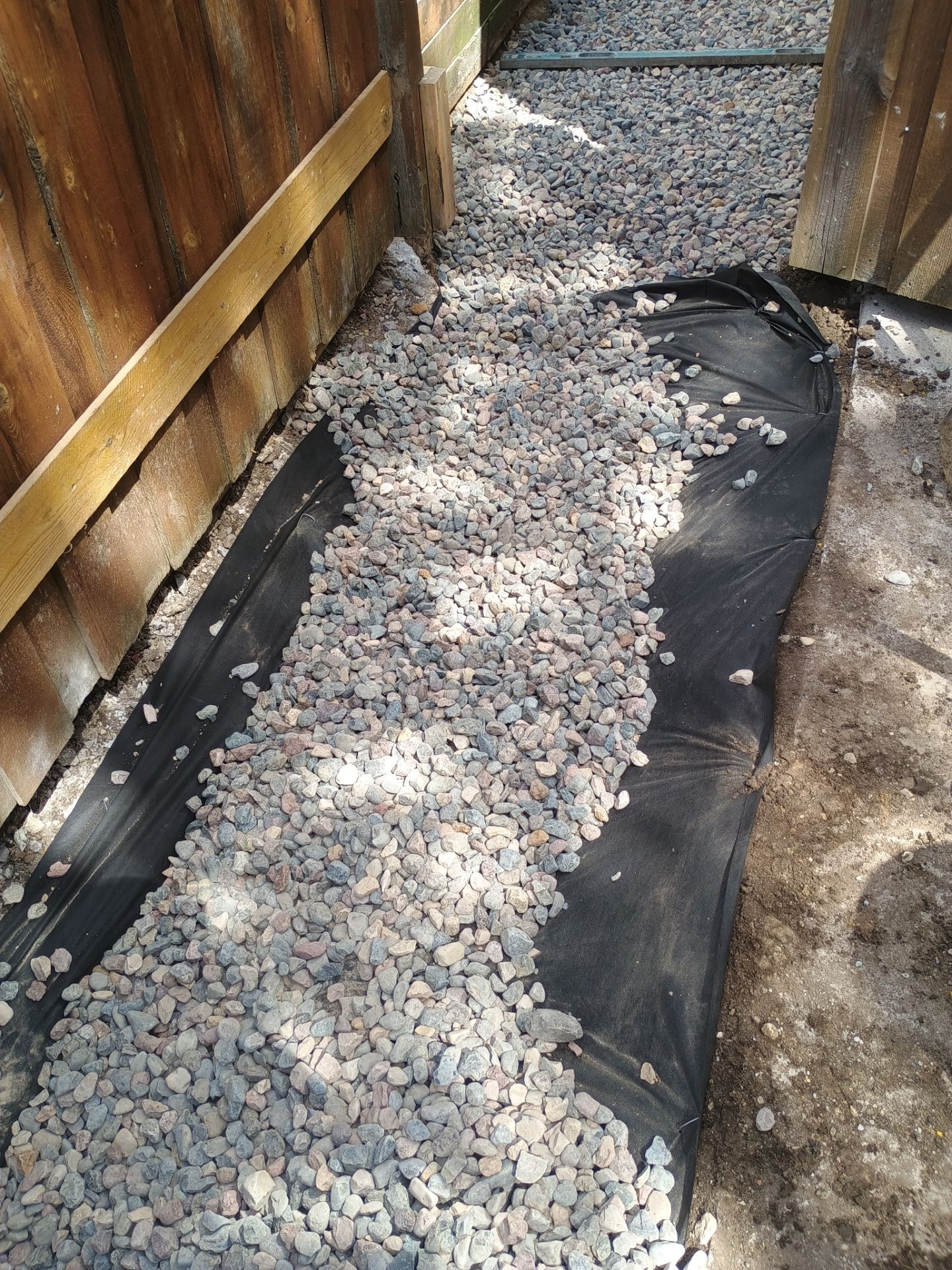
Why Your Basement Leaks When Snow Melts
What to check when a basement that stayed dry all winter gets wet.
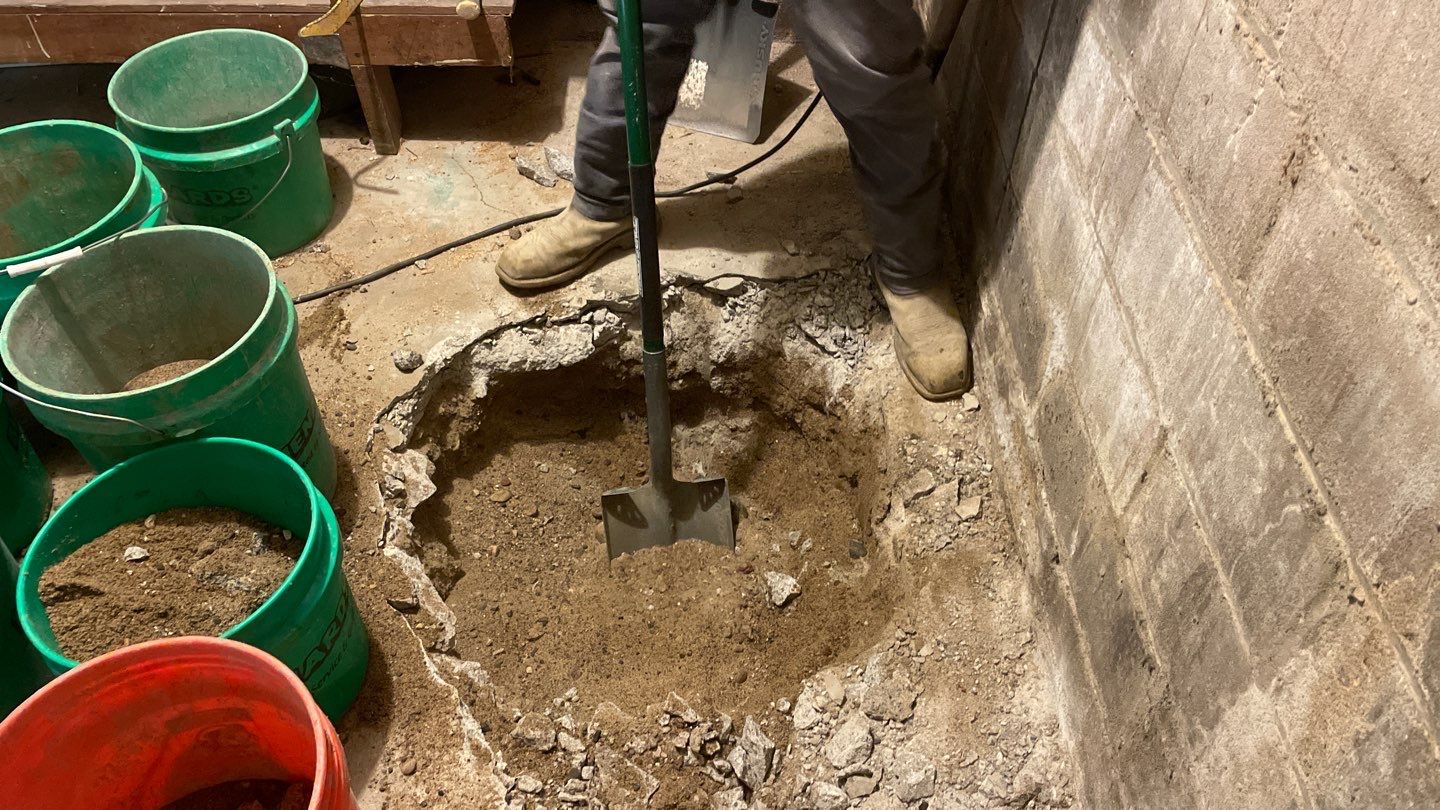
Sandy Soil Doesn’t Guarantee a Dry Basement
How groundwater and site conditions affect northern metro basements.
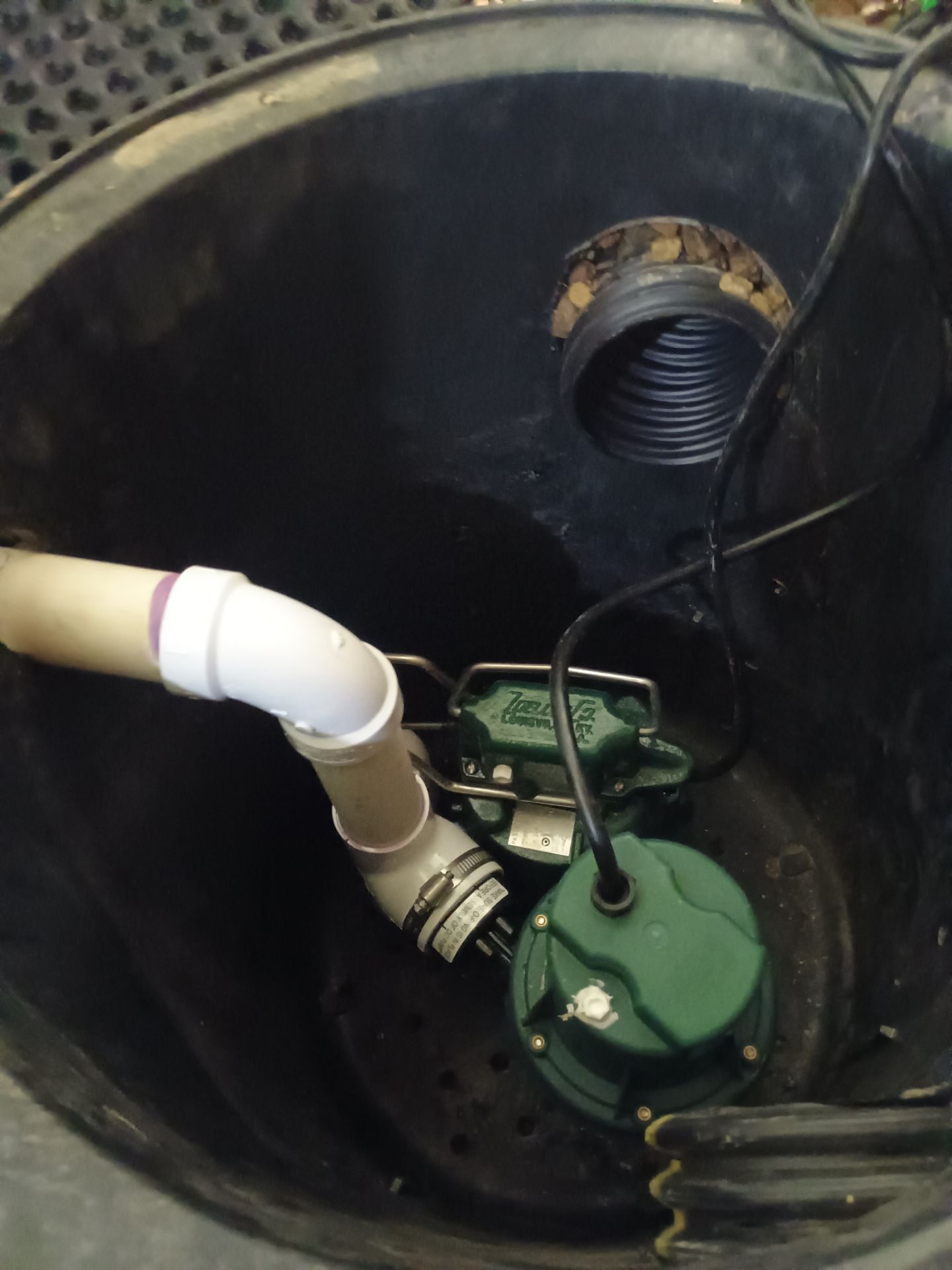
More Horsepower Isn’t a Sump-Pump Plan
Water load, discharge and the pump curve matter alongside motor size.
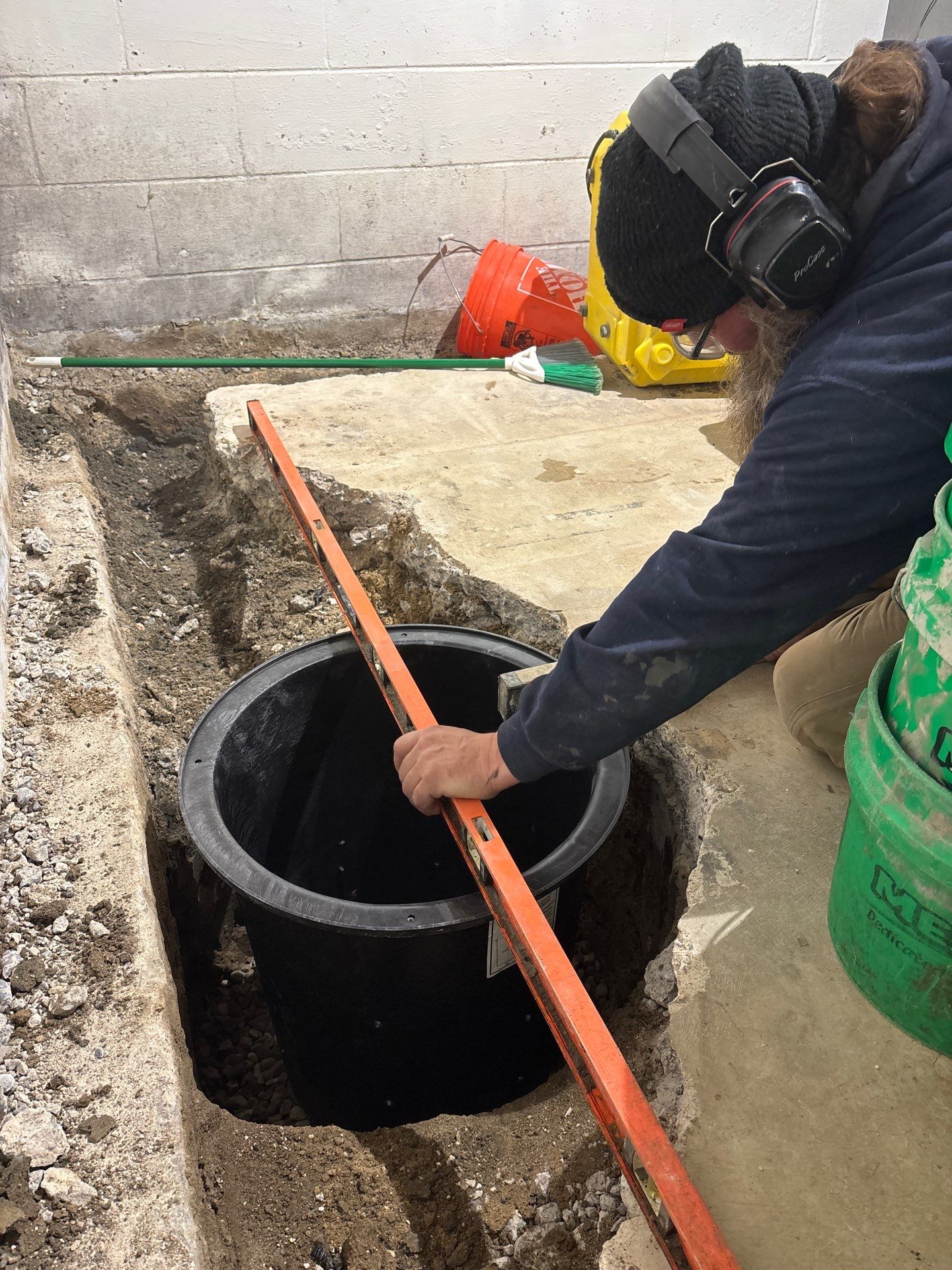
What Your Waterproofing Quote Should Tell You
The footprint, equipment, restoration and exclusions that belong in writing.
Two Drainage Quotes. Two Different Systems.
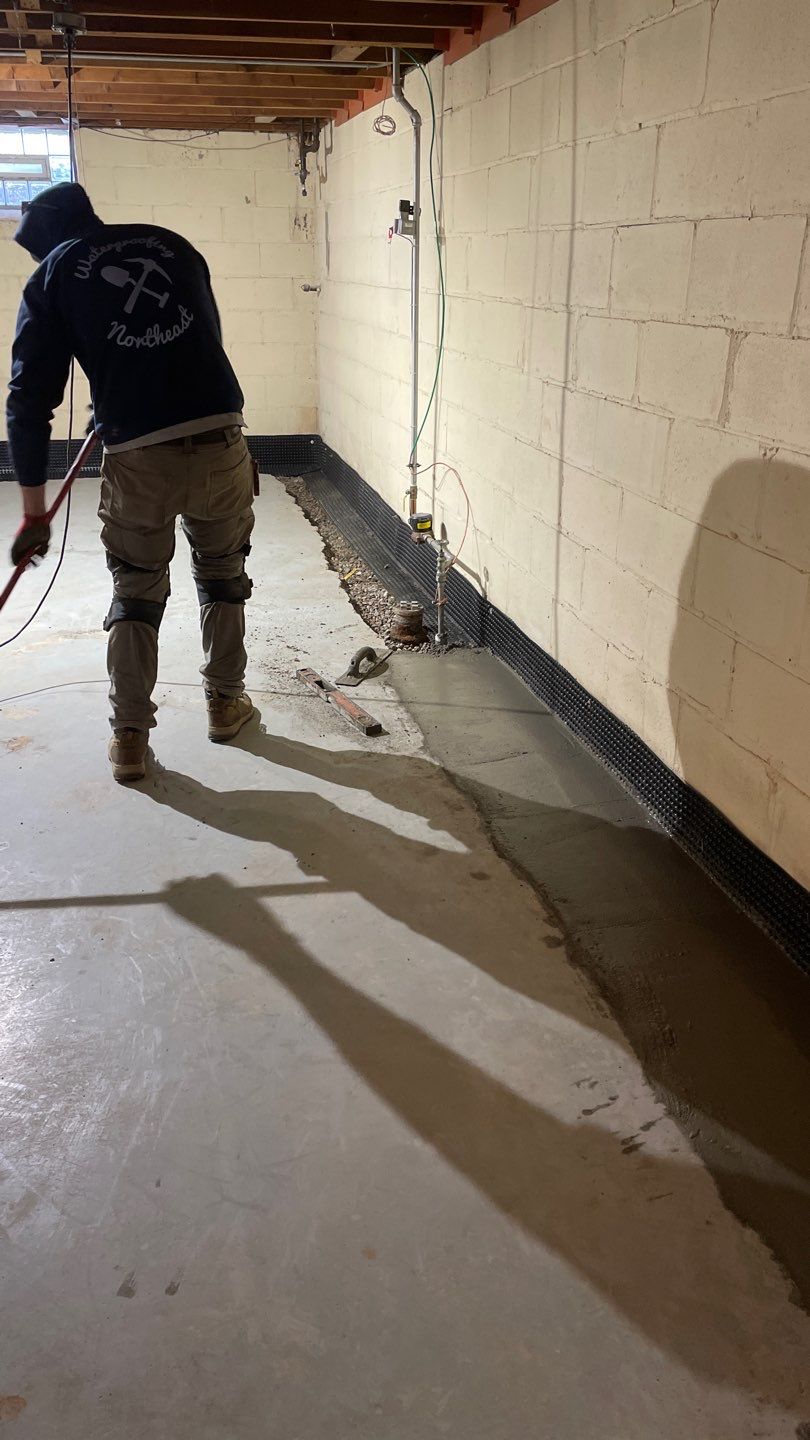
Where the drainage component sits changes what the proposal describes.
Why Water Pushes Into Your Basement
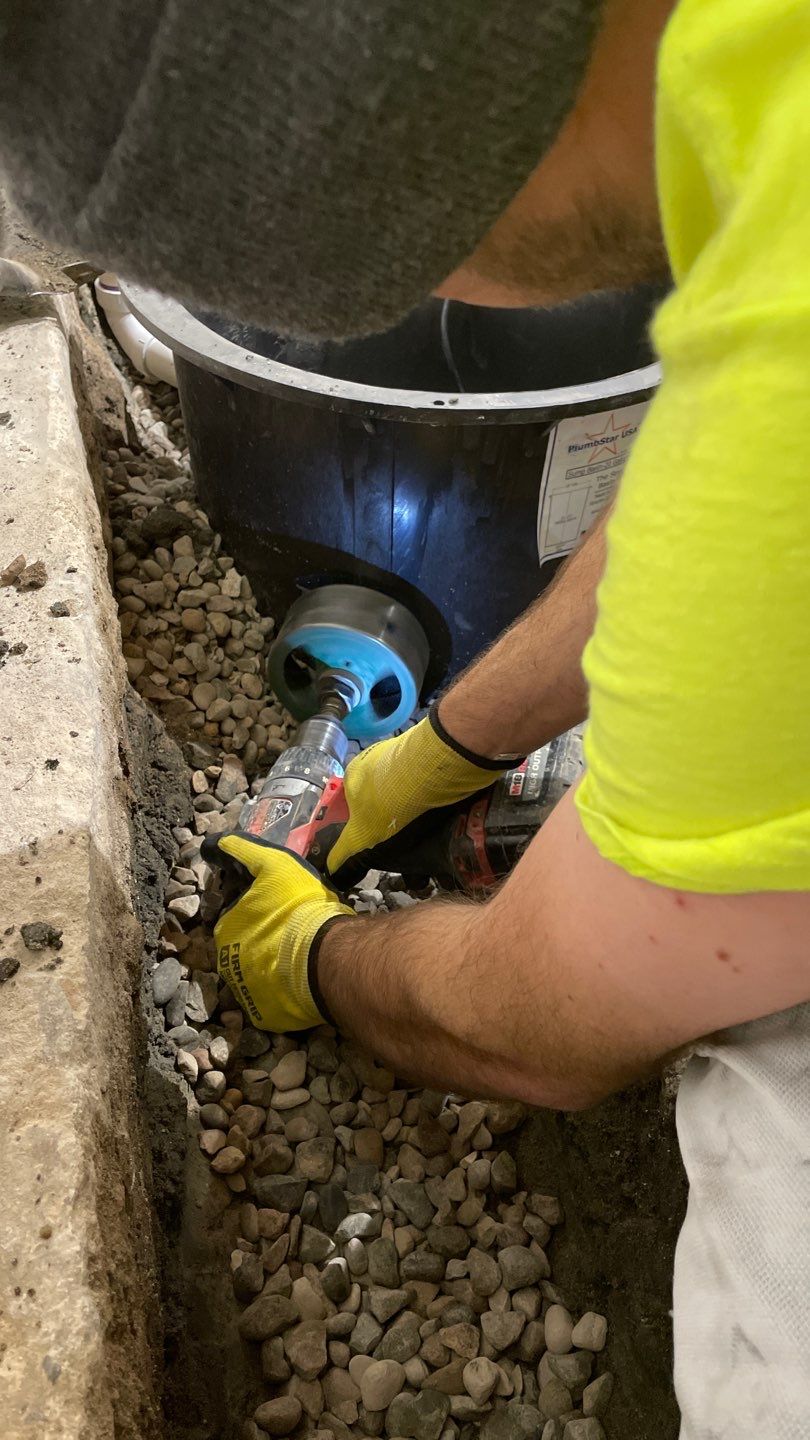
Groundwater pressure, available openings and the role of drainage.
Why Minneapolis Basements Don’t All Leak Alike
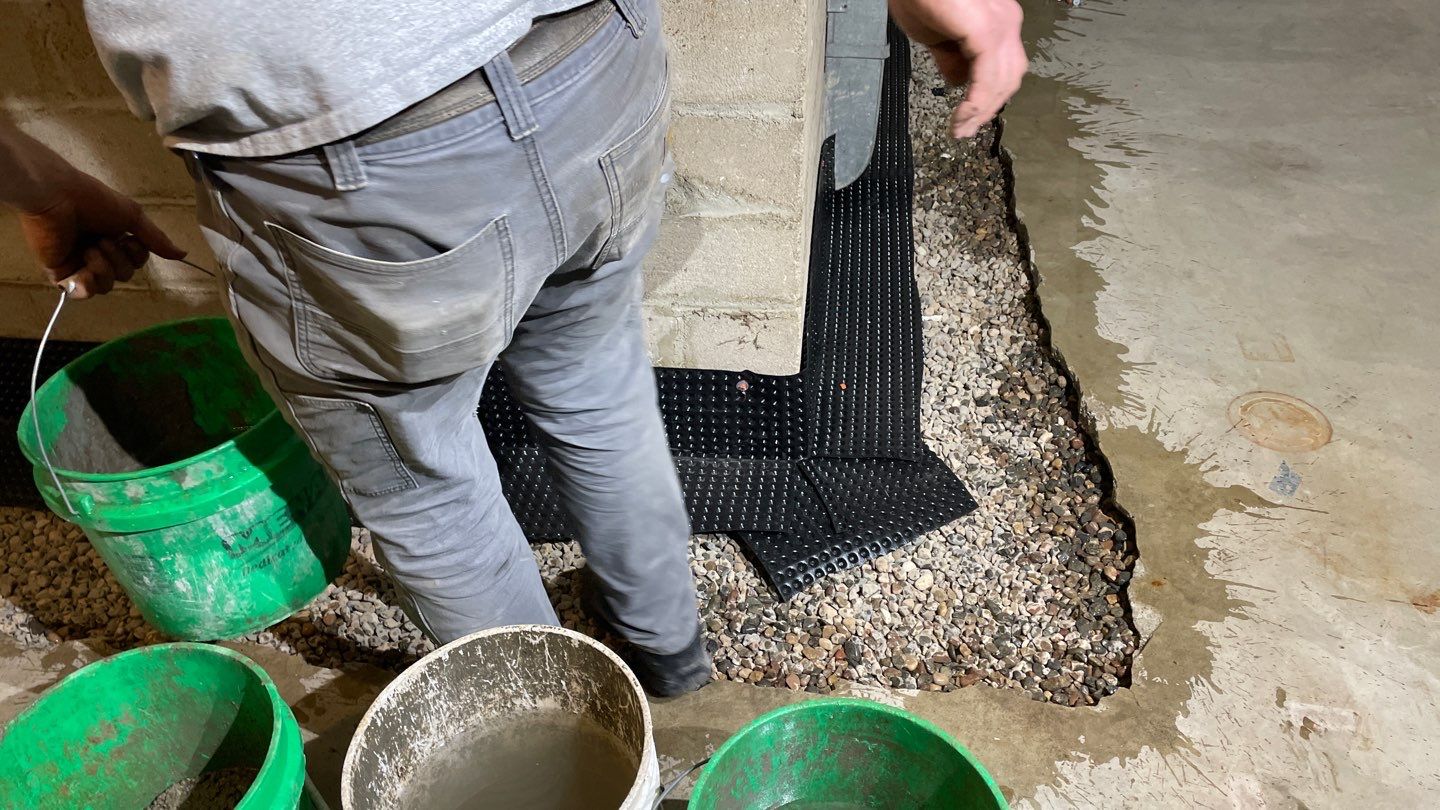
Use neighborhood geology as context, then investigate the actual property.
What Your Basement Crack Can’t Tell You
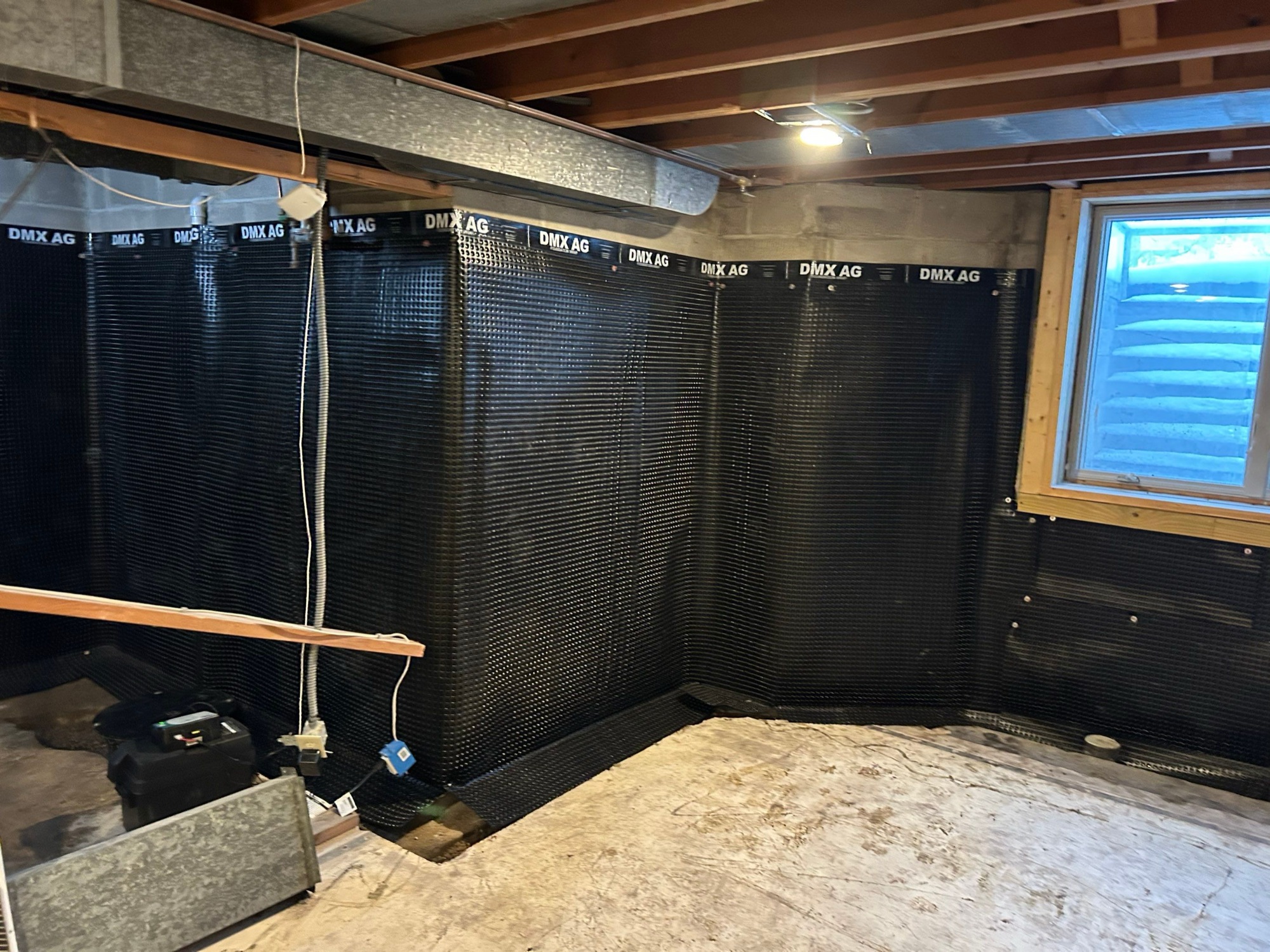
Shape, movement and water entry help determine the next evaluation.
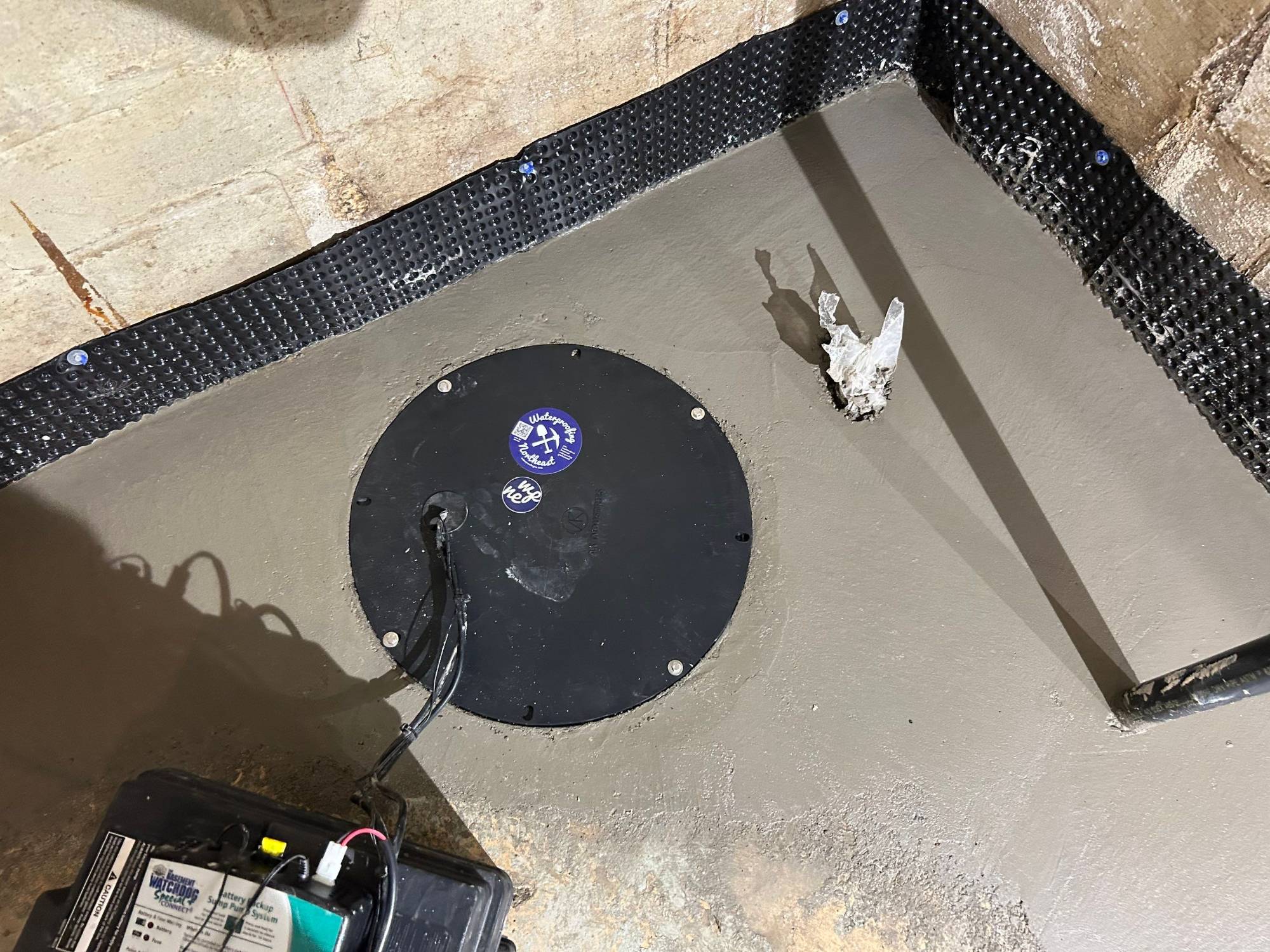
No Puddle. Still a Musty Basement.
Find the moisture source before covering the smell or replacing finishes.

Your Basement Quote Expires Tonight. Now What?
A deadline is not evidence that the work is necessary.
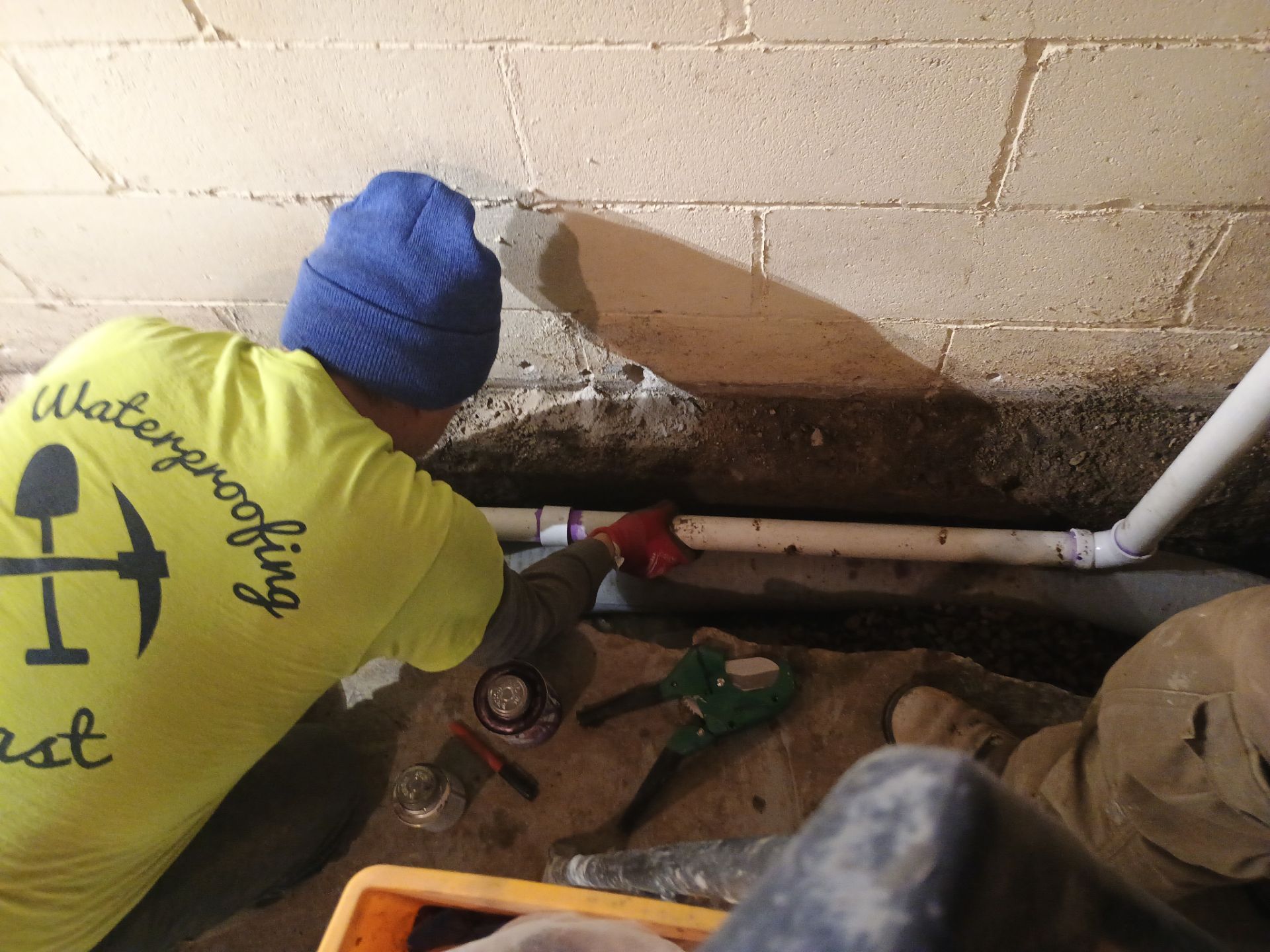
Your Sump Needs an Outage Plan
Compare the power, water-supply and equipment conditions behind backup choices.
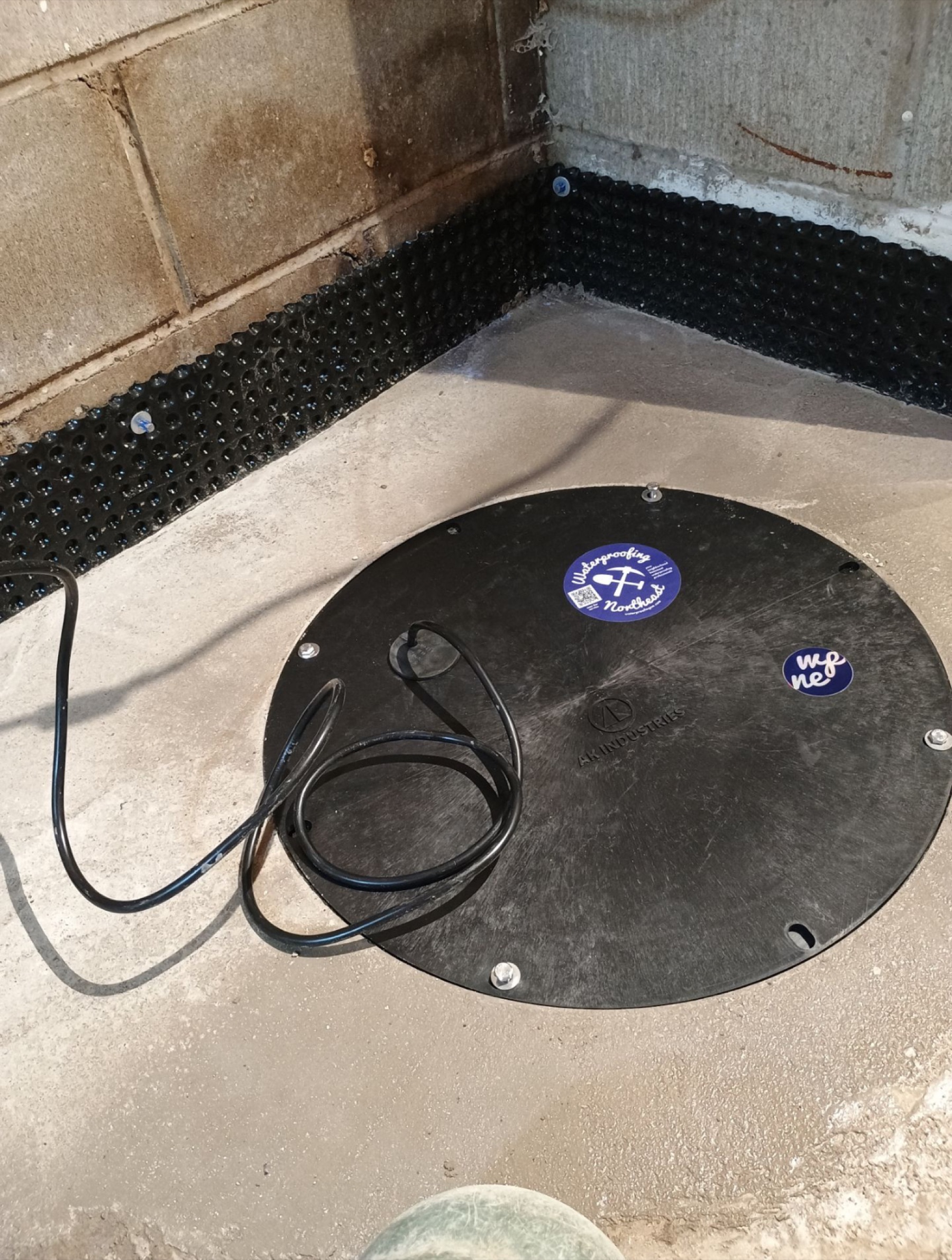
Is Your Basement Drainage Still Doing Its Job?
What you can safely observe and when equipment changes deserve a call.
The French Drain Wasn’t Named After France
The people and engineering choices behind a familiar drainage system.
Why Two Basement Quotes Can Be Miles Apart
How footage, access, depth, equipment and restoration affect a planning number.
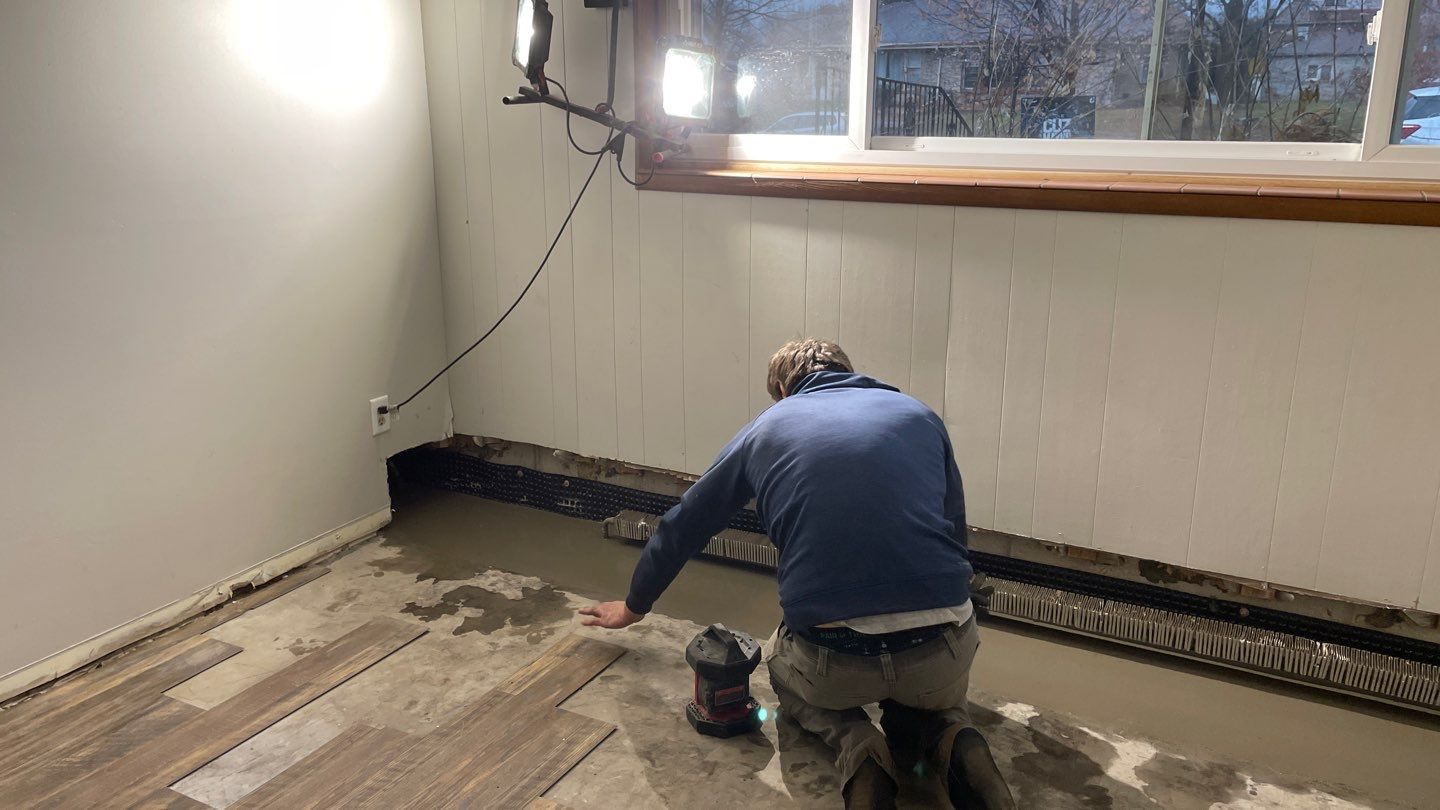
Will Insurance Pay for That Basement Water?
Questions to take to your insurer about the source, policy and endorsements.
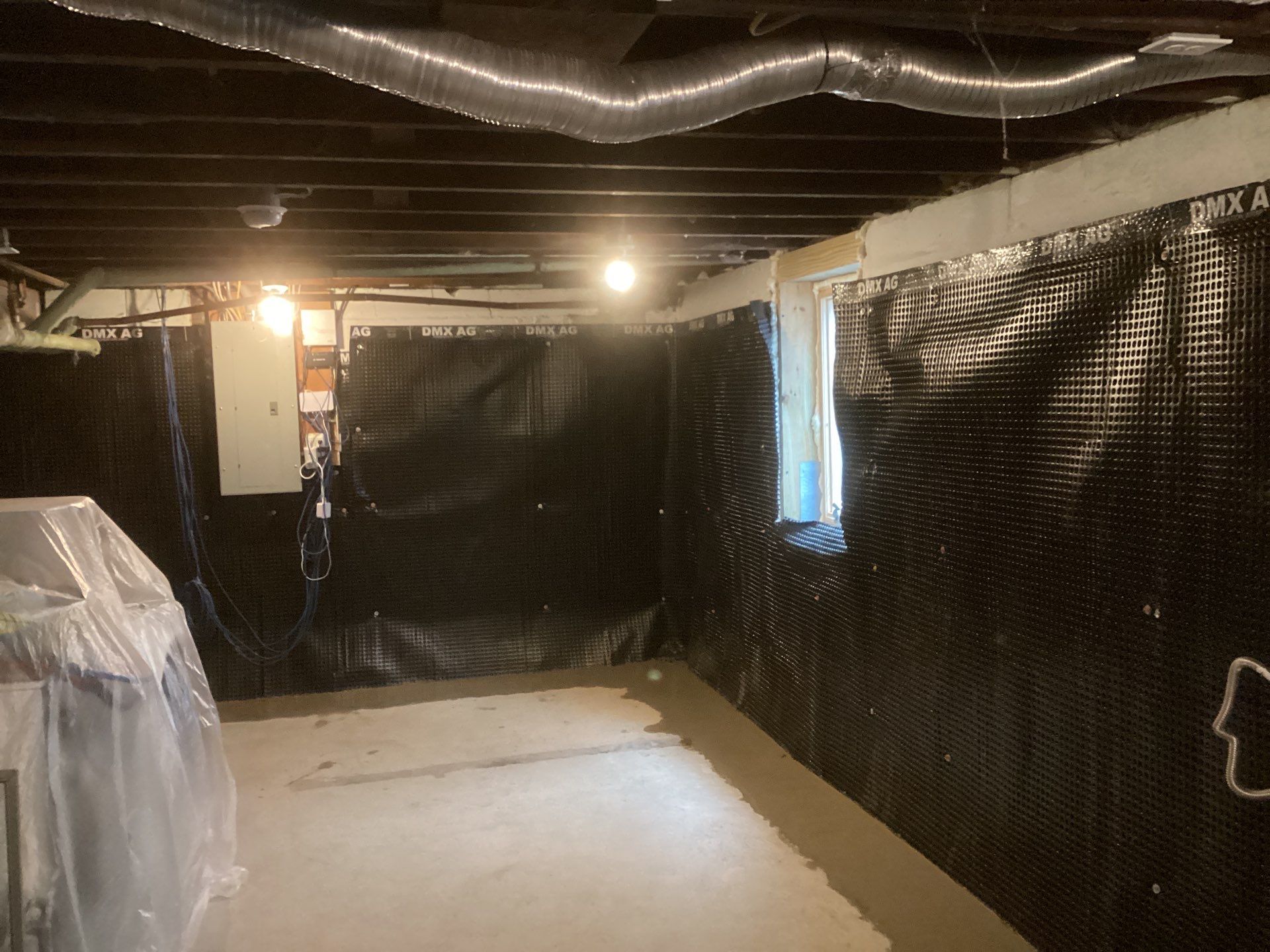
Should You Fix a Wet Basement Before Selling?
Document the condition and compare options before committing to a repair.
Not sure which repair fits?
Tell us where the water appears and when it happens. Choose a free homeowner project estimate or a $250 written transaction assessment.